 Pet Gear Live
Walking gear Dogs
Questions to ask before choosing a harness
- Guide
- 01 / 06
- For
- Dogs
- References
- 02 sources
Compare movement, adjustability and introduction rather than relying on a size label.
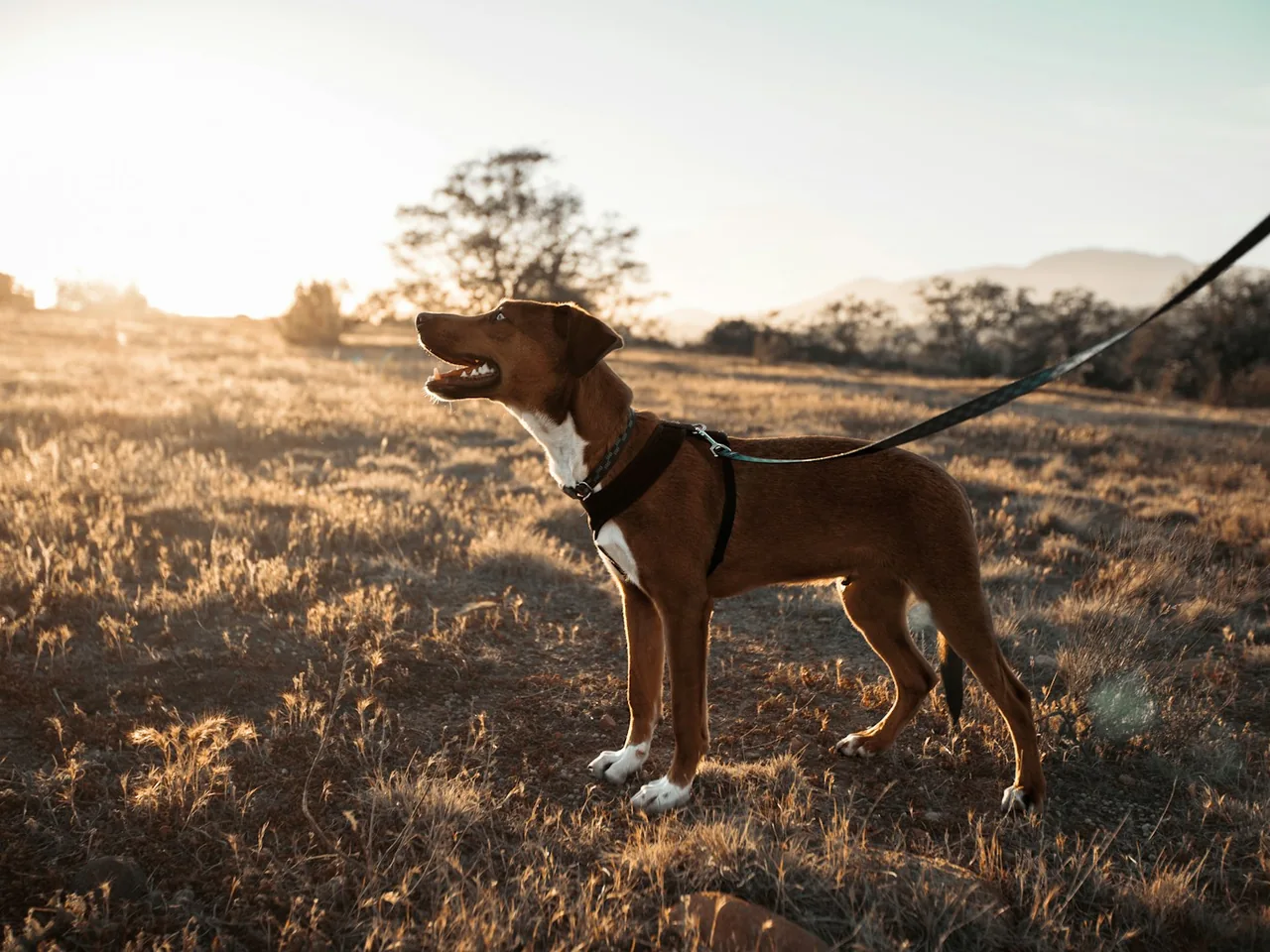
Context photograph.
Start with the job and the dog
Write down how the harness will be used: an ordinary walk, supported long-line practice or a different activity with its own equipment requirements. A product label cannot tell you whether the dog will move comfortably or accept the fastening routine. Use the maker's measuring and fitting instructions for the exact model.
Dogs Trust advises that a harness should allow freedom of movement and should not be restrictive around the neck and chest. Treat that as a fitting question to investigate, not something a web comparison can certify from a photograph. We have not worn, tested or ranked any products.
Compare the details that change daily use
- Note the required measurements and where the manufacturer says to take them. Do not assume a “medium” transfers between brands.
- Check the adjustment range, fastening sequence and attachment information in the product instructions.
- Look at the route the equipment takes onto the dog: overhead and step-in styles may create different introduction tasks.
- Check access to support and returns so an unsuitable fit does not become a reason to keep using it.
Include an introduction plan
An appropriate size is only part of the decision. Put the harness near the training area, allow voluntary investigation and introduce handling and clips gradually. Record the part the dog accepts and the part that needs an easier step. Forcing the complete routine to meet a walking deadline gives you little useful information about the equipment.
When comparing two candidates, record an unresolved question as unresolved. For example: “need to verify clearance during movement” is more honest than awarding a fit score before the dog has tried the item. A comparison worksheet should preserve uncertainty.
Inspect after purchase
Keep the care instructions and a note of adjustment points. Before use, look for worn stitching, damaged fastenings and changes in fit. An item that once fitted still needs attention over time.
For outdoor recall practice, Dogs Trust describes a long line attached to a harness. Follow the line and harness instructions and practise in a suitable setting. This guide does not assess load ratings, vehicle restraint or specialist sporting use; those require the relevant product evidence.
Sources & practical application
These principles inform the guide. Household worksheets, examples and sequencing are our editorial application, not reported experiments or endorsements by the source organisations.
Source principle: Choose a fit that allows movement; introduce the equipment and clips gently and inspect wear.
Source principle: Practise in quiet settings, reward proximity, and avoid jerking the lead.
Checked October 16, 2026. How we prepare guides · Report a correction.